GLP-1 microdosing
A gentler way to start.
Microdosing is a lower-dose approach to GLP-1 care, paired with supportive ingredients and chosen by a licensed U.S. provider when it is clinically appropriate for you. The GLP-1 here is a compounded medication that is not FDA-approved and is not the brand-name products such as Ozempic, Wegovy, Mounjaro, or Zepbound. One program, with stack options built around your goal, plus unlimited messaging and ongoing adjustments. Individual results vary.
- Licensed U.S. providers
- 100% online
- Free shipping when prescribed

Why GLP-1 microdosing
A lower-dose, provider-guided GLP-1 program blended with supportive ingredients, with care that adjusts to your goals.
Lower-dose by design
Microdosing uses smaller GLP-1 doses than standard schedules, an approach a provider may choose to prioritize comfort and tolerability. It is not a promise of any particular result.
Supportive ingredients
Your stack can be blended with ingredients like NAD+, B12, L-carnitine, and inositol, chosen by your provider to align with your goal. These are supportive, not a substitute for the GLP-1 itself.
Care that adjusts
Unlimited async and sync consults and a provider who revisits your plan on a roughly 12-week cadence, so your stack can evolve as your goals do.
Compounded, not the brand
The GLP-1 in this program is a compounded medication that is not FDA-approved or evaluated by the FDA for safety, efficacy, or quality, and it is not the brand-name products such as Ozempic, Wegovy, Mounjaro, or Zepbound, which are separate FDA-approved medications.
How it works
Care in three simple steps
- 1
Share your goals
Tell us your health history and what you are working toward, whether that is energy, mental acuity, metabolic support, sleep, or easing side effects. A few minutes online.
- 2
A provider reviews
A licensed U.S. provider evaluates your information and, if a lower-dose GLP-1 is clinically appropriate, builds a stack matched to your goal. A consultation does not guarantee a prescription.
- 3
Adjust over time
Use unlimited messaging and scheduled consults, with your provider revisiting your plan about every 12 weeks. Labs are recommended but not required.
Treatment options
What a provider may consider
If it’s clinically appropriate, your provider may prescribe one of these. A consultation doesn’t guarantee a prescription.
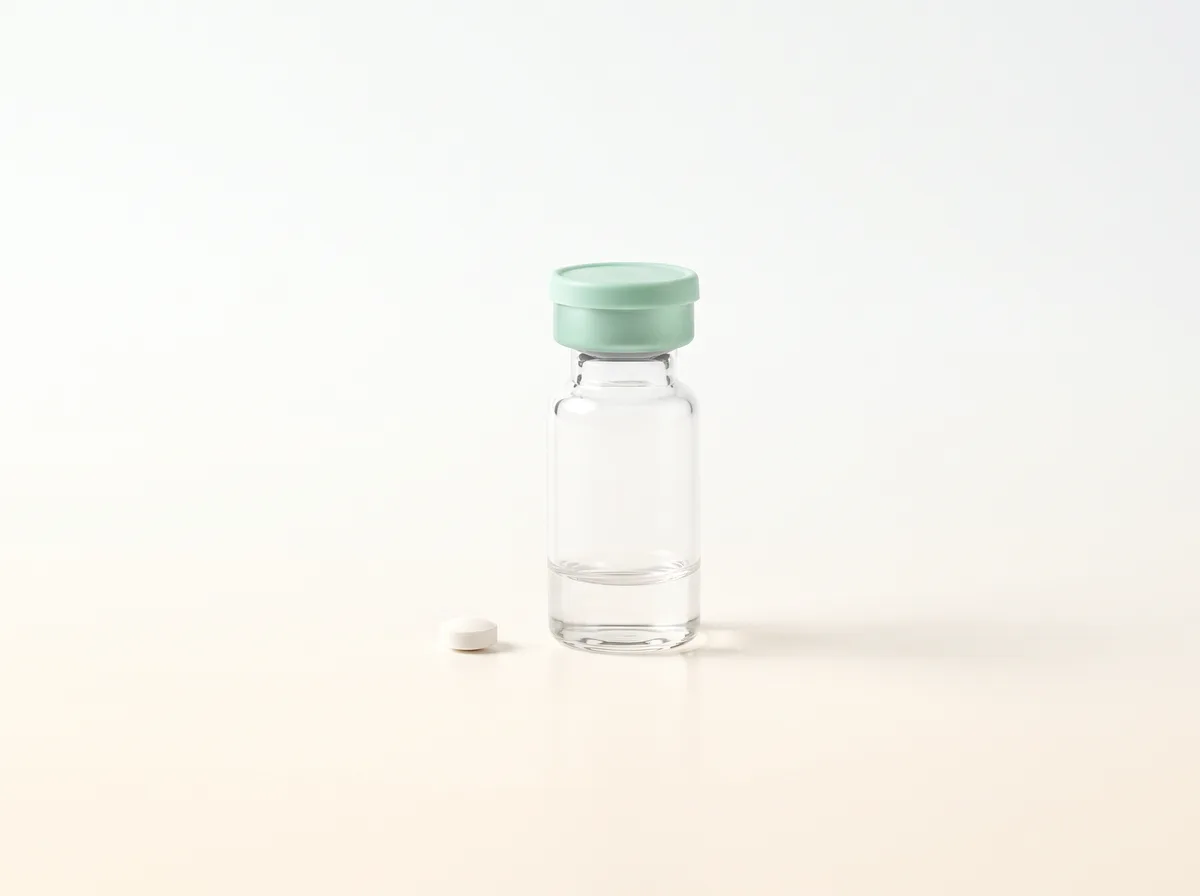
Prescription medications shown by drug class/ingredient. Not a recommendation; only a licensed provider can decide what’s appropriate for you.
Peptides are the body's messengers.

Educational only. Peptide therapy is offered only where a licensed provider determines it is clinically appropriate. Individual results vary.
More care areas
One membership, more support



Questions
GLP-1 microdosing FAQ
Ready when you are
Start your online visit. A licensed provider takes it from there, when it’s clinically appropriate.
Important safety information. The GLP-1 medication in this program is prescription-only, is a compounded medication that is not FDA-approved or evaluated by the FDA for safety, efficacy, or quality, and is not right for everyone; a licensed provider decides whether it is clinically appropriate for you, and a consultation does not guarantee a prescription. GLP-1 receptor agonists in the semaglutide and tirzepatide classes carry an FDA boxed warning: in animal studies these medicines caused thyroid C-cell tumors, including medullary thyroid carcinoma (MTC); it is not known whether they cause these tumors in humans. Do NOT use if you or a family member has a history of medullary thyroid carcinoma or Multiple Endocrine Neoplasia syndrome type 2 (MEN 2), or if you have had a serious allergic reaction to the medication. Serious possible risks include inflammation of the pancreas (pancreatitis); seek care for severe, persistent stomach pain that may radiate to the back, with or without vomiting. Other risks can include gallbladder problems, kidney injury from dehydration, low blood sugar (especially with insulin or a sulfonylurea), and serious allergic reactions. The most common side effects are gastrointestinal, including nausea, vomiting, diarrhea, constipation, and abdominal pain. Microdosing is not an FDA-approved dosing protocol. Supportive ingredients such as NAD+, B12, L-carnitine, inositol, magnesium, L-theanine, methionine, and choline are not FDA-approved for weight loss; they can cause injection-site reactions and, rarely, serious allergic reactions, and their safety in pregnancy and breastfeeding is not established. Do not use during pregnancy, if planning to become pregnant, or while breastfeeding unless a provider directs otherwise. Tell your provider about all medications and medical conditions, including any history of pancreatitis, gallbladder, kidney, or eye disease. This is educational information, not a substitute for medical advice; seek emergency care for severe symptoms. Individual results vary. Medlly connects you with independent, U.S.-licensed providers. A consultation does not guarantee a prescription. Online care is not a substitute for in-person care when it’s needed; for emergencies call 911.