Semaglutide Weekly Injection
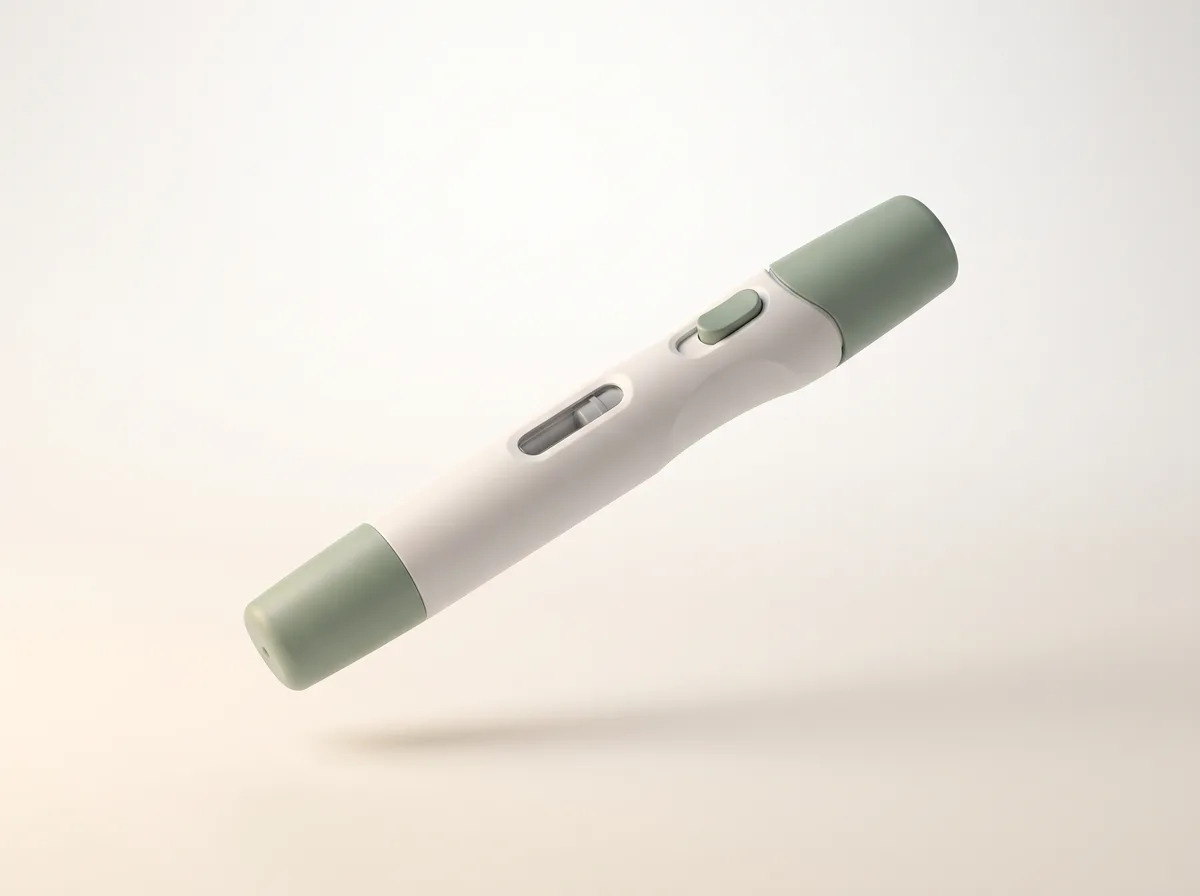
A once-weekly subcutaneous injection of compounded semaglutide, a GLP-1 receptor agonist, prescribed only if a licensed provider decides it is clinically appropriate for you.
Weekly subcutaneous injection · Active ingredient: compounded semaglutide, a GLP-1 receptor agonist. Supplied as a subcutaneous injection prepared by a licensed compounding pharmacy. Your specific formulation and excipients are detailed on the materials that accompany your prescription.
All in: provider, medication, labs, shipping, and care coaching included. Starts at $249/mo.
This is compounded semaglutide prepared by a licensed compounding pharmacy; compounded drugs are not FDA-approved and are not evaluated by the FDA for safety, effectiveness, or quality, and this is not the brand-name FDA-approved products Ozempic or Wegovy.
A licensed provider decides if it’s appropriate. A consultation doesn’t guarantee a prescription.

More than a prescription
Care, not just a refill
- Visits with a U.S.-licensed provider
- Video visits when you and your provider decide one would help
- Your compounded medication, if prescribed
- Lab orders at no extra cost through Quest or Labcorp
- Unlimited messaging with your care team
- 24/7 patient support, every day of the year
- Free, discreet shipping
- Pause or cancel anytime
- Care coaching with a dedicated medical assistant, at no extra cost
How it works
What it is and how it works
The science
Semaglutide mimics GLP-1, a hormone your gut releases after eating. It acts on GLP-1 receptors to support glucose-dependent insulin release and lower glucagon, slows how quickly your stomach empties, and signals areas of the brain involved in appetite and fullness. These effects can reduce appetite and food intake. Its structure gives it a long duration, which is why it is dosed once weekly. Individual results vary.
Taking it
Weekly subcutaneous injection
Inject under the skin (subcutaneously) once a week, on the same day each week, in the abdomen, thigh, or upper arm, rotating sites. Providers typically start at a low dose and increase gradually to help limit nausea. Follow the exact dose, schedule, and storage instructions provided with your medication, and never change your dose without talking to your provider.
Common side effects
Most side effects are mild and tend to ease as your body adjusts. This isn’t a complete list. Your provider reviews the full picture with you and what to watch for.
- Nausea, especially when starting or increasing the dose
- Vomiting and diarrhea
- Constipation
- Abdominal pain
- Decreased appetite
- Injection-site reactions
- Fatigue or burping
- Rarely: pancreatitis, gallbladder problems, or serious allergic reaction
Important safety information
In rodent studies, semaglutide caused thyroid C-cell tumors; it is not known whether semaglutide causes such tumors, including medullary thyroid carcinoma (MTC), in humans. Do not use if you or a family member have had MTC or if you have Multiple Endocrine Neoplasia syndrome type 2 (MEN 2). Watch for a neck mass, trouble swallowing, hoarseness, or shortness of breath.
Important Safety Information. This is compounded semaglutide, a GLP-1 receptor agonist; compounded drugs are not FDA-approved and are not evaluated by the FDA for safety, effectiveness, or quality. It is not Ozempic or Wegovy, which are separate FDA-approved products. Semaglutide may cause serious side effects including pancreatitis (severe, persistent abdominal pain that may spread to the back, with or without vomiting), gallbladder problems, low blood sugar (especially with insulin or sulfonylureas), kidney problems from dehydration, vision changes, severe allergic reactions, and a possible increased risk of depression or thoughts of self-harm. Common side effects include nausea, vomiting, diarrhea, constipation, abdominal pain, and decreased appetite. Do not use if pregnant, planning pregnancy, or breastfeeding. Tell your provider about all your medical conditions and medications. Seek emergency care for severe or persistent abdominal pain, signs of a serious allergic reaction, or symptoms of severe low blood sugar. A licensed provider decides whether this medication is clinically appropriate for you; a consultation does not guarantee a prescription. Individual results vary.
Semaglutide Weekly Injection is available by prescription only and only where a licensed provider determines it’s clinically appropriate. This information is educational and not a substitute for advice from your provider. Individual results vary. If you experience a serious reaction, seek medical care; for emergencies call 911.
Questions
Semaglutide Weekly Injection FAQ
Weight Management
Other options to discuss
Tirzepatide Weekly Injection
A once-weekly subcutaneous injection of compounded tirzepatide, a dual GIP and GLP-1 receptor agonist, prescribed only if a licensed provider decides it is clinically appropriate for you.
From $269/mo
Oral Semaglutide (Sublingual)
A once-daily compounded semaglutide tablet that dissolves in the mouth, a GLP-1 receptor agonist, for people who prefer not to inject, prescribed only if a licensed provider decides it is clinically appropriate.
From $209/mo